

Blogs
Anal Fistula or Piles: How Can You Recognise the Difference?

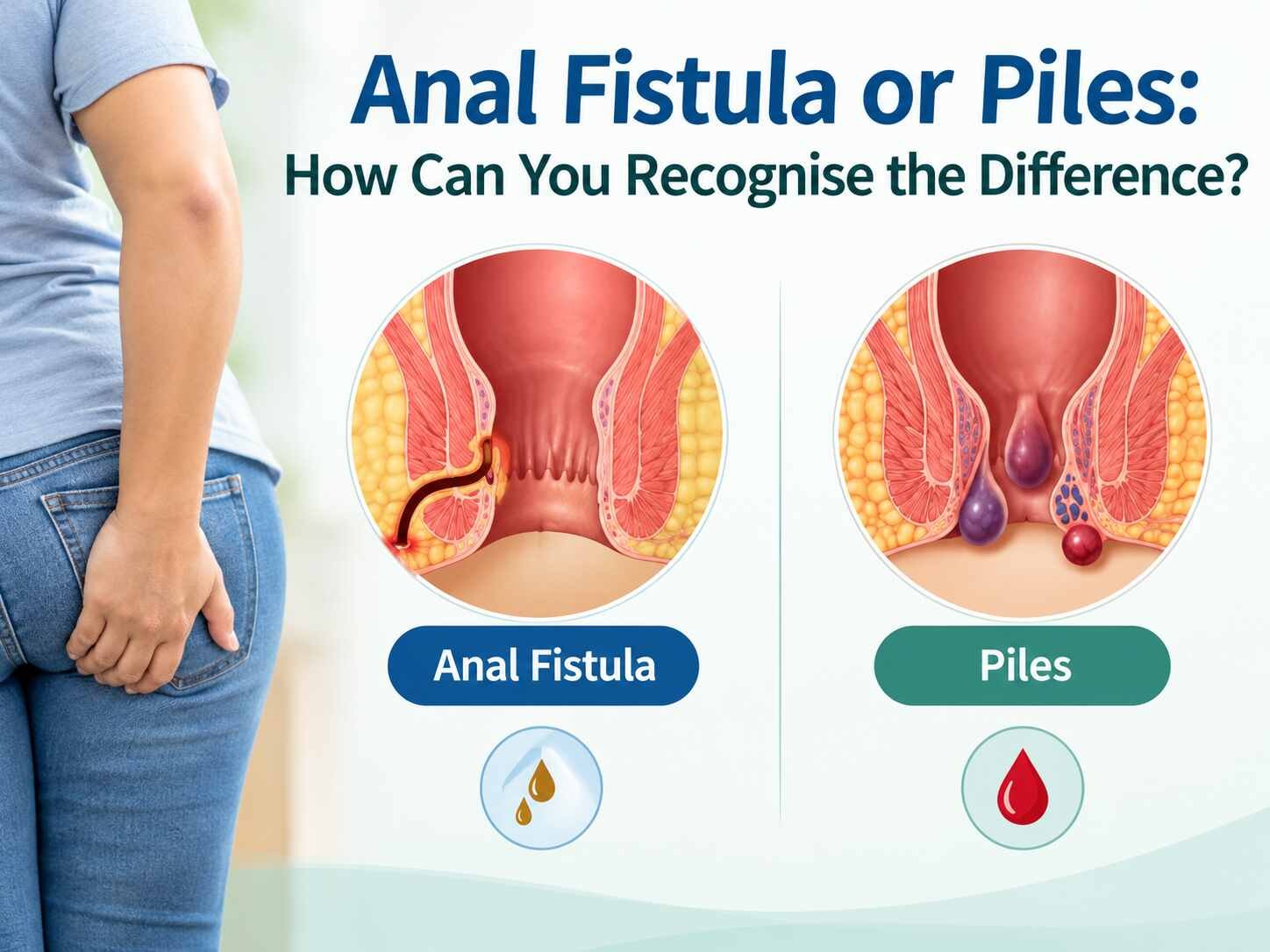
Have you ever experienced any pain, swelling, or bleeding around the anus and wonder what could be the reason behind it? Knowing whether the problem is Anal Fistula or Piles is essential since the two ailments have different causes and can be treated differently. Piles are enlarged and swollen blood vessels around the anus or lower rectum, whereas anal fistula is a connection formed between the anal canal and the skin surrounding the anus. At Dr. Piles Clinic, knowing the symptom is a vital first step in deciding on how to treat such problems. Patients who want to undergo the Ksharsutra Treatment for Fistula need to have their condition evaluated medically.
What Is the Difference Between Piles and an Anal Fistula?
Despite the similarities in the area where both piles and anal fistula occur, these are different ailments. Piles, or haemorrhoids, occur due to swelling of blood vessels in the anal region. Anal fistula is caused by infection that results in an abscess, leaving a tunnel from the anal canal to the outer skin.
Sometimes the symptoms can be the same, and this makes it very difficult to diagnose the condition depending on the discomfort that one is facing. The person having piles can have bleeding when passing stool, and they can have itching or swelling near the anus. The person having fistula can have swelling, pain, and discharge via a small hole in the skin.
This distinction is important because failure to diagnose will mean delayed treatment. Through physical examination, a doctor will be able to determine the probable cause of symptoms and what should be done next.
Piles vs Anal Fistula: Which Symptoms Help You Tell Them Apart?
The following comparison explains some common differences between the two conditions.
| Feature | Piles (Haemorrhoids) | Anal Fistula |
| Main cause | Swollen blood vessels in the anal region | An abnormal tunnel, often following an anal abscess |
| Common symptoms | Bleeding, itching, swelling, or a lump | Pain, recurrent swelling, and discharge |
| Bleeding | May occur during bowel movements | May occur, particularly if the area is irritated |
| Discharge | Not usually a defining symptom | Pus or fluid may drain from an opening |
| Pain | Often absent with internal piles, but external piles can be painful | May increase with infection or abscess formation |
| Treatment | Depends on severity and may include lifestyle measures or procedures | May require drainage or a procedure to treat the fistula tract |
These are just general patterns. For instance, external hemorrhoids may be quite painful, but sometimes fistulas may not be that uncomfortable except during drainage periods.
What Are the Early Signs of Piles and Anal Fistula?
The Early Signs Of Piles Include Bright Red Stains On Toilet Paper, Associated With Itching, Irritation, Or A Lump Around The Anus. Bleeding May Occur From Internal Piles, Without Pain, In Contrast To External Piles, Which May Be Tender, Especially If There Has Been Formation Of Blood Clot.
An anal fistula could be formed through an initial abscess, which could create some level of pain in terms of being painful, reddened, swollen or even febrile. Once the abscess is drained, the pain would reduce; however, a fistula would still be able to form and persist on its own.
While assessing the patient for Anal Fistula or Piles, it is essential to look out for the presentation of the disease rather than a single symptom. Recurrent discharge from the sinus, swelling on multiple occasions or even history of an anal abscess must raise suspicion and a need for evaluation.
Bleeding is just one symptom that cannot automatically be associated with hemorrhoids. There may be other diseases that also exhibit this symptom.
Rectal Bleeding: Piles or Fistula?
Bleeding from the rectum is often seen with haemorrhoids where there is bright red blood during or after a bowel movement. Bleeding, however, can be due to an anal fissure, inflammation, infection, or other bowel disorders.
In the case of anal fistula, draining of pus or fluid becomes more common rather than bleeding. There are individuals who might observe bleeding together with discharge, particularly when there is irritation of the opening.
Make sure a doctor examines you if there are heavy bleeding, dizziness, serious abdominal pain with fever and bloating. Consult a physician about black stools.
Treatment for Anal Fistula and Piles: Why Does the Diagnosis Matter?
The best way to treat Anal Fistula and Piles is dependent upon the diagnosis of the condition, its severity, and other related complications.
Piles may be effectively improved through the addition of fiber in the diet, consumption of ample fluids, prevention of straining and excessive time spent in the bathroom. In case of continued existence of piles, a doctor will provide medication or surgery for their treatment, depending on the type and severity of the haemorrhoids.
Anal fistulas generally require a different approach due to the fact that the abnormal tunnel rarely heals itself by home remedies. Such conditions are treated by fistulotomy, seton, or other similar procedures depending on the location of a fistula tract and its relation to the anal sphincter muscles.
Ksharsutra Treatment for Fistula refers to a traditional treatment modality, which consists of utilizing a medicated thread to pass through the fistula tract under professional management. It can be offered in particular instances depending upon the anatomy of the fistula as well as the overall condition and status of the patient. However, it should not be represented as the best possible option for the treatment of fistula in all cases.
In case you need to get treatment from the best piles doctor in Noida, then it is advisable to consult an experienced doctor who will explain to you the pros and cons of the different treatment methods, as well as their risks and benefits. Visit Dr. Piles Clinic to make your appointment right away.
People searching for anorectal disorder treatment in east delhi must adhere to the same principle: an accurate diagnosis is required to select the appropriate therapy and ensure that the underlying condition is properly treated, rather than simply alleviating a symptom.
What Can You Do Before Your Medical Appointment?
Before your assessment, ensure that the area remains clean, strain yourself as little as possible while passing stools, and drink enough fluids and fiber if it is appropriate for you. Avoid squeezing any lumps, draining an open area by yourself, and using un-prescribed medication for your fistula.
Record the timing of the appearance of the symptoms, whether there is any sign of bleeding or discharge, and whether you had similar symptoms in the past.
Frequently Asked Questions
1. Can piles and an anal fistula occur together?
Yes. Both disorders can occur in the same individual, although the presence of one disorder does not necessarily lead to the other. This can be detected by means of a medical diagnosis.
2. Does an anal fistula always cause pain?
No. Some fistulas cause pain and swelling periodically while others just secrete fluid. Decrease in pain does not necessarily imply that the fistula is cured.
3. Can piles turn into an anal fistula?
Piles usually do not form into an anal fistula. Fistulas normally develop following infections or abscesses in the anal area.
4. Is Ksharsutra treatment suitable for every fistula?
No. Suitability is determined by the type and course of the fistula, its complexity, and whether the anal sphincter is involved or not.
5. When should you see a doctor for anal symptoms?
Book an assessment with regards to bleeding, swollen areas, discharge, or pain in the anus. Visit the emergency room for fever accompanied by increased swelling or pain, bleeding, and feeling faint.
Why Identifying the Right Condition Matters
Knowing the difference between Anal Fistula And Piles will help you to get proper medication in time. Piles are often characterized by bleeding, itching, and swelling of the tissue, while anal fistula most commonly presents with opening around the anus from which the discharge occurs. Nevertheless, based on the symptoms, it is not possible to say with high certainty whether a person has piles or an anal fistula.
For an accurate diagnosis, a clinical examination is necessary, which will be able to determine the disease and prescribe the appropriate treatment. The latter is most needed in the case of prolonged, periodic, or severe symptoms.
