

Blogs
What Foods Should You Eat During Fistula Treatment?

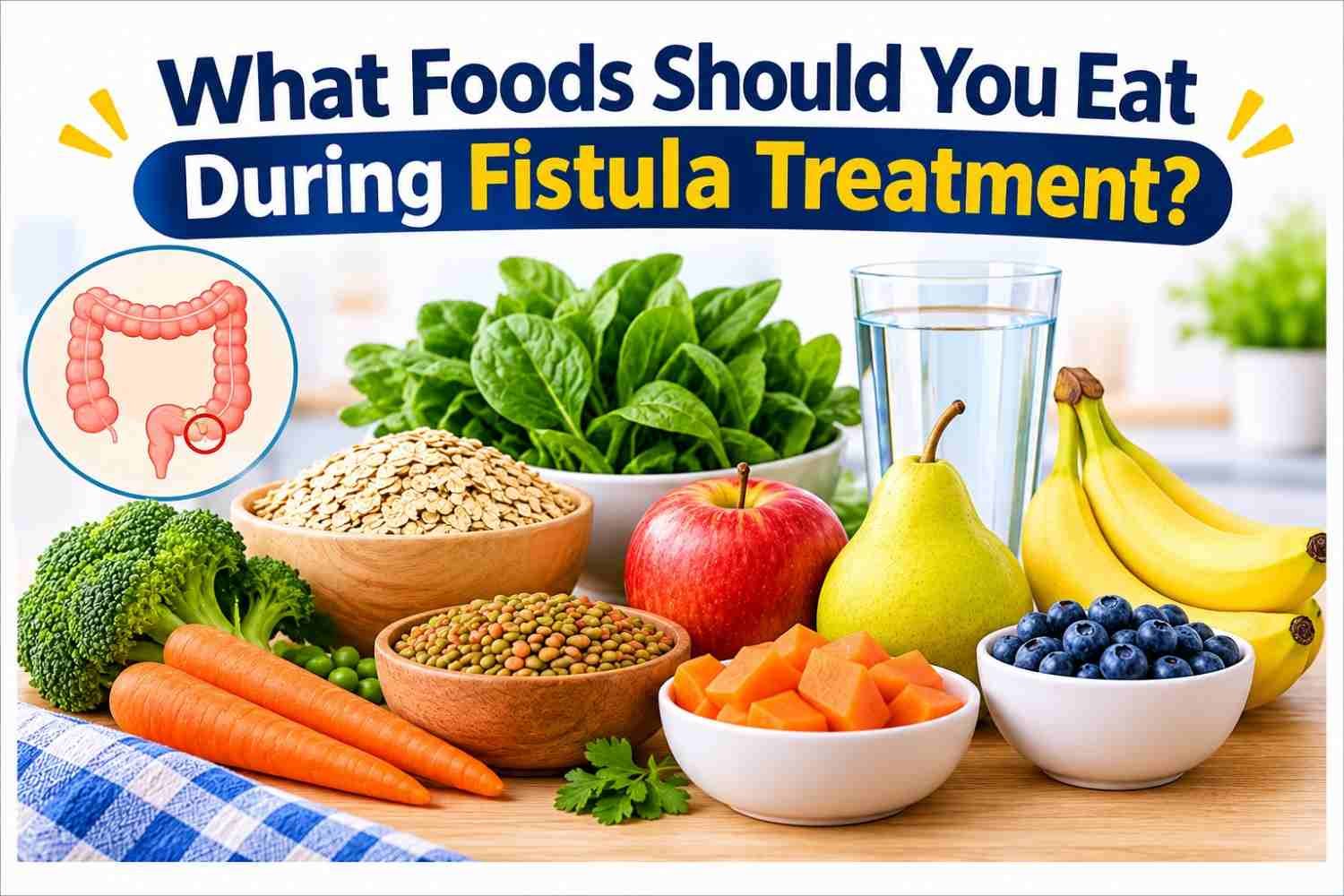
Anal fistulas can cause discomfort in everyday activities such as going to the bathroom. Apart from medical intervention, healthy eating can also aid in digestion and ensure that the person does not suffer from constipation. Consuming fruits, green vegetables, whole grain products, and high-protein foods in everyday meals will help ensure that the bowels move regularly. It is also important to drink adequate amounts of water.
When visiting fistula treatment doctors in East Delhi, patients are often curious about the kind of food they should consume and foods that need to be avoided during their treatment process. While a balanced diet can help in ensuring digestive health and recovery in general, it will not be able to treat an anal fistula. Patients at Dr. Piles Clinic can consult professional experts about their treatment procedures.
Why Does Your Diet Matter During Fistula Treatment?
An anal fistula is an abnormal channel connecting the anal canal to the area just outside the anus. Fistulas usually occur due to anal abscesses or infections. In most cases, medical advice will be required since diet alone cannot close the fistula.
But diet affects bowel movements. Straining due to hard stools or constipation may worsen the symptoms during defecation. This is why a proper diet with sufficient amounts of fiber and liquids is important.
When planning what to eat during fistula treatment, focus on three important goals:
- Maintain regular and comfortable bowel movements.
- Reduce the chances of constipation and excessive straining.
- Provide your body with nutrients that support normal tissue repair and general health.
Remember, good nutrition supports recovery, but it does not replace treatment recommended by your colorectal surgeon.
Best Foods to Eat During Fistula Treatment
Choosing everyday foods that provide dietary fibre, protein, vitamins and minerals can support digestive health. You do not need expensive health products or an unusual diet. Simple, balanced meals are often a practical starting point.
1. Include Fibre-Rich Fruits
Fruits provide dietary fibre, water and essential nutrients. Fibre helps add bulk to stools and supports regular bowel movements.
Some suitable choices include:
- Papaya: Provides fibre and water and can be included as part of a balanced diet.
- Apples: Eating apples with their skin provides additional dietary fibre.
- Pears: Offer fibre that supports bowel regularity.
- Oranges: Provide fibre and vitamin C.
- Bananas: Supply fibre and other nutrients; choose according to your digestive tolerance.
If you are wondering which fruits are good for fistula patients, start with familiar options and observe how your digestive system responds.
2. Eat Green Vegetables Regularly
Vegetables are useful sources of fibre, vitamins and minerals. Including different vegetables in your meals can help improve dietary variety.
Consider adding:
- Spinach
- Carrots
- Broccoli
- Green beans
- Bottle gourd
- Pumpkin
You can prepare these vegetables as cooked dishes, soups or lightly steamed meals. If raw vegetables cause bloating or discomfort, cooked options may feel easier to tolerate.
3. Choose Whole Grains
Whole grains contain more fibre than refined grains because they retain important parts of the grain.
Good options include:
- Oats
- Whole-wheat roti
- Brown rice
- Dalia
- Whole-grain bread
These foods can form part of a healthy diet for fistula patients. Increase fibre gradually rather than suddenly adding large portions to every meal. A sudden increase may cause gas, bloating or abdominal discomfort.
4. Add Protein-Rich Foods
Protein provides amino acids that the body uses to maintain and repair tissues. It is an important part of balanced nutrition during recovery.
Depending on your dietary preferences, consider:
- Dal and lentils
- Eggs
- Paneer
- Milk
- Curd or yoghurt
- Fish and lean chicken
Patients who follow a vegetarian diet can obtain protein from lentils, beans, dairy products and other suitable plant-based sources.
5. Drink Enough Water and Fluids
The intake of fibres is effective when there is sufficient intake of fluids. The lack of adequate amounts of fluid in the body will mean that even increased fibre intake will fail to have the desired impact. Fluids should be taken throughout the day and may be in form of clear soups. There are varying needs for fluid intake depending on the health situation of individuals.
What Foods Should You Avoid During Fistula Treatment?
There isn’t a definite list of food items that all anal fistula patients must abstain from. But certain foods and food intake methods can lead to constipation and discomfort. Try to cut down on highly processed snacks, excessive deep-fried food, food containing refined flour, and fast foods, as these foods tend to have a lower amount of fiber. Too spicy food items may create problems in some cases. Consuming low-fiber food repeatedly also results in difficulty in passing stools.
You need not abstain from all your favourite food items. All that you have to do is select foods that provide a proper balance and incorporate fibrous foods into your diet. In case of constipation and digestion-related problems persistently, please take expert advice.
Including fibre-rich fruits in your daily diet can support healthy digestion. You can also read our blog on Which Fruits Are Best for People Suffering from Piles to learn more about fruits that may help support bowel health.
How Can You Prevent Constipation During Fistula Treatment?
Constipation can make bowel movements uncomfortable, especially when you already have an anal fistula. A few consistent habits may help:
- Eat fibre regularly: Include fruits, vegetables, whole grains and pulses in your daily meals.
- Stay hydrated: Drink adequate water unless your doctor has advised otherwise.
- Avoid delaying bowel movements: Respond to your body’s natural signals.
- Stay physically active: Gentle walking, if medically appropriate, can support normal bowel function.
- Avoid excessive straining: Do not force bowel movements or spend unnecessarily long periods on the toilet.
If constipation continues despite dietary changes, consult your healthcare professional. You may need an appropriate treatment plan rather than simply adding more fibre.
A Simple Daily Diet Plan for Fistula Patients
The following table provides general meal ideas. Adjust portions and food choices according to your tolerance, nutritional requirements and medical advice.
| Meal | Suggested food choices |
| Breakfast | Oats or vegetable dalia with a fruit |
| Mid-morning | Papaya, pear or apple |
| Lunch | Whole-wheat roti, dal and cooked vegetables |
| Evening snack | Fruit or a suitable yoghurt serving |
| Dinner | Vegetable khichdi or roti with dal and cooked vegetables |
This is an illustrative meal plan, not a prescribed medical diet. People with diabetes, kidney disease, food allergies or other health conditions may need different choices.
How Does Professional Medical Guidance Support Recovery?
Food is one part of managing an anal fistula. Proper diagnosis and appropriate medical treatment remain important because the fistula tract may persist even when bowel movements become more comfortable.
Depending on the fistula’s location, complexity, and clinical findings, the doctor may discuss surgical approaches or other suitable procedures. Ksharsutra treatment for fistula is one treatment approach that may be considered in selected cases after proper medical assessment.
Dr. Piles Clinic emphasises the importance of understanding the condition, discussing suitable treatment options, and following professional medical advice. Patients should also discuss their diet and postoperative care rather than relying on online food lists alone.
Support Your Recovery with Better Food Choices – Visit Dr. Piles Clinic Today!
Choosing balanced meals, drinking enough fluids, and preventing constipation can support digestive comfort during fistula treatment. However, the right treatment plan depends on your individual condition, not just your diet.
At Dr. Piles Clinic, patients can seek professional guidance about anal fistula evaluation, available treatment approaches, and recovery care. If you have persistent symptoms or questions about your dietary requirements, consult a qualified doctor rather than delaying medical assessment.
Visit our Google Business Profile to learn more about Dr. Piles Clinic, explore patient information, and contact us to discuss your concerns. Take an informed step towards better digestive health and appropriate medical care.
Frequently Asked Questions About Diet During Fistula Treatment
1. What should I eat during fistula treatment?
Include fibre-rich fruits, vegetables, whole grains and suitable protein sources. Drink adequate fluids to support regular bowel movements and follow your doctor’s dietary recommendations.
2. Is a high-fibre diet helpful for fistula patients?
Yes. Dietary fibre can help soften and regulate stools when combined with adequate fluid intake. Increase fibre gradually to avoid bloating and discomfort.
3. Can spicy food worsen fistula discomfort?
Spicy food does not cause an anal fistula, but it may aggravate digestive or anal discomfort in some individuals. Limit it if you notice a connection with your symptoms.
4. Which fruits are good for fistula patients?
Papaya, apples, pears and oranges can be useful choices because they provide fibre and other nutrients. Choose fruits according to your digestive tolerance.
5. Can food cure an anal fistula?
No, a healthy diet can support bowel regularity and general recovery, but it cannot reliably close an anal fistula. Appropriate medical evaluation and treatment are necessary.
