

Blogs
Which Fruits Are Best for People Suffering from Piles?


A healthy digestive system is vital for sustaining good health. Constipation, hardened faeces, and excessive straining during the process of defecation can cause piles or aggravate symptoms in patients suffering from Piles. The consumption of a balanced diet with fibre-rich foods may aid in regular bowel movements. Choosing suitable fruits is one of the easiest dietary steps people with piles can take.
At Dr. Piles Clinic, we believe analysing your everyday diet is a crucial step in managing your anorectal health, along with proper medical guidance and piles treatment in Delhi. Consumption of fruits containing dietary fibre can aid in softening the faeces and facilitate the process of bowel movement.
What Is Piles and How Does Diet Affect It?
Piles, which is a medical term for haemorrhoids, are swellings that occur in the region of the anus and the lower part of the rectum. Piles may lead to complications such as pain, bleeding, swelling, discomfort, and itching during defecation. Constipation and straining may lead to pressure build-up in the said region. Diet may help control these complications. A low-fibre content diet may result in constipation, where the stools become hard and difficult to pass. Conversely, fibre increases bulk and assists regular bowel movement.
What Fruits Are Good for Piles?
If you are wondering what fruits are good for piles, focus on options that naturally contain dietary fibre. Whole fruits also provide water, vitamins, and other nutrients that support general health.
Here are some useful choices to consider.
- Papaya
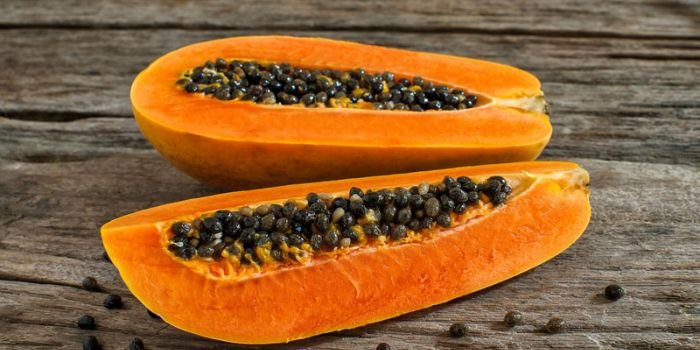
Papaya is a popular fruit that contains dietary fibre and water. Including it in a balanced diet can support digestive regularity and help prevent constipation. You can enjoy fresh, ripe papaya as a morning snack or alongside breakfast. However, avoid treating papaya as a standalone solution for piles. Its benefits come from being part of an overall balanced eating pattern.
- Apples
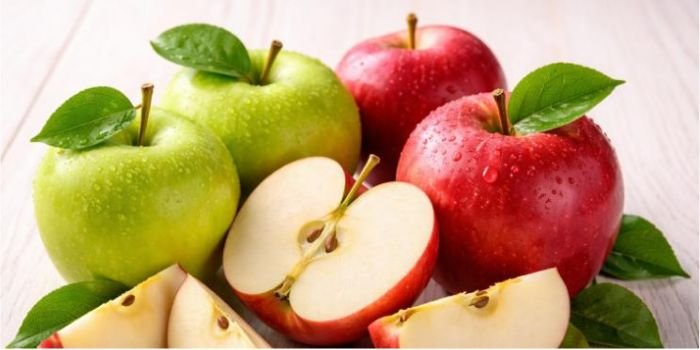
Apples are a convenient source of dietary fibre, particularly when you eat them with their skin. The skin contains a good amount of fibre, while the fruit’s natural water content also contributes to hydration. For people Suffering from Piles, whole apples can be a useful addition to a fibre-rich diet. Wash them properly before eating and choose fresh fruit instead of relying on packaged apple juice, which contains much less fibre.
- Pears
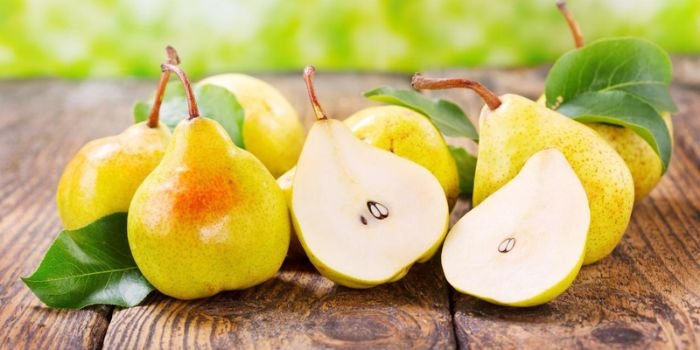
Pears are among the useful high-fibre fruits that can support digestive health. They also contain water, making them a practical choice for people trying to improve their daily fibre intake. Eat a fresh pear with its skin after washing it properly. You can include it as a mid-morning snack or an afternoon option.
- Oranges

Oranges provide fibre, vitamin C and water. Eating the whole fruit is generally more beneficial for fibre intake than drinking strained orange juice. If you are looking for Fruits to eat during piles, oranges can be a refreshing option. Their natural fibre supports digestive health, while vitamin C contributes to normal immune function.
- Bananas
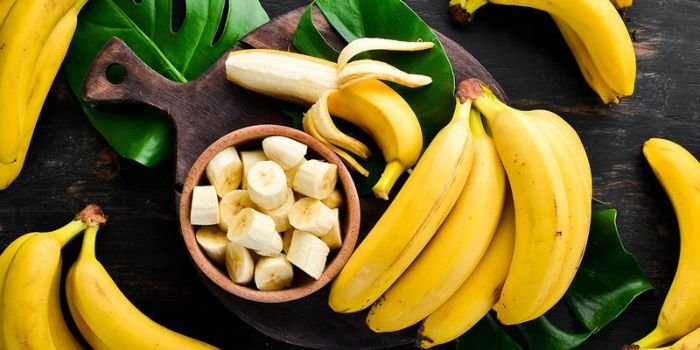
Bananas offer dietary fibre and are easy to include in everyday meals. Their nutritional composition changes as they ripen, but both ripe and less-ripe bananas can contribute to your overall fibre intake. Choose ripe bananas if you prefer a softer texture and include them as part of a varied diet. Avoid depending on bananas alone to manage constipation or piles.
- Berries

Strawberries, raspberries and blackberries provide dietary fibre along with vitamins and plant compounds. Their small size makes them easy to add to breakfast bowls, yoghurt or healthy snacks.
These are useful High-fiber fruits for piles because they can contribute to daily fibre requirements without requiring complicated meal preparation.
How Does Fibre Help Manage Piles?
Fibre contributes significantly towards ensuring healthy bowel movement. The main functions include retaining water within the stools as well as adding bulk in the stools, which depends on the kind of fibre. In this way, the stools become softer and hence easier to pass. As a result, the patients tend not to put themselves under too much strain when passing stools. This is very significant especially in the case of patients suffering from piles.
Along with fruits, consider other Foods to eat during piles, including:
- Oats and whole-grain cereals.
- Lentils, chickpeas and beans.
- Green vegetables and other fibre-rich vegetables.
- Nuts and seeds in suitable portions.
Increase fibre gradually and drink enough water throughout the day. Adding too much fibre suddenly may cause gas, bloating or abdominal discomfort.
For readers who want to learn more about Ayurvedic approaches to rectal health, explore our detailed article on Can Rectal Polyps Be Treated Without Surgery? What Ayurveda Offers.
Other Dietary and Lifestyle Habits That Can Help
Choosing the right fruits is only one part of digestive care. A few everyday habits can also make a difference.
- Stay hydrated: Drink sufficient water throughout the day to support normal bowel function.
- Avoid delaying bowel movements: Respond to the natural urge instead of holding it in.
- Stay physically active: Regular movement, such as walking, can support bowel regularity.
- Avoid excessive straining: Do not force bowel movements or spend unnecessarily long periods sitting on the toilet.
- Choose whole fruits: Whole fruits generally provide more fibre than strained juices.
These habits are among the practical natural remedies for piles that may help manage constipation and reduce straining. However, they do not replace medical treatment when symptoms require professional attention.
If you are a woman experiencing persistent symptoms, consulting a qualified lady doctor for piles can help you discuss your concerns comfortably and receive appropriate medical guidance.
Is Piles Dangerous? When Should You Consult a Doctor?
Piles are common and often improve with dietary changes and appropriate treatment. However, you should not ignore persistent or recurring symptoms.
Rectal bleeding does not always indicate piles. Other digestive and intestinal conditions can cause similar symptoms, so a medical evaluation is important.
Seek professional advice if you experience:
- Repeated bleeding during bowel movements.
- Persistent pain or swelling around the anus.
- A lump that causes discomfort.
- Symptoms that do not improve with home care.
- Changes in bowel habits or unexplained weight loss.
Dr. Piles Clinic encourages patients to seek timely medical advice rather than relying entirely on home remedies. A doctor can assess your symptoms and recommend suitable treatment based on the underlying cause.
Make Better Food Choices for Long-Term Digestive Health
Eating fibre-rich foods can promote good bowels and prevent constipation, an issue that those suffering from piles should keep in mind. Papaya, apples, pears, oranges, bananas, and berries are a few fruits that can be easily incorporated into your diet. Keep in mind that one particular fruit cannot treat piles. Rather, eating a balanced diet, maintaining adequate water intake, engaging in exercise, and getting proper medical care can make more sense.
At Dr Piles Clinic, the main emphasis is on providing patients with information to help them make the right choice in terms of their well-being. If eating right does not help, then professional consultation will help find the right way forward.
Fruits for Piles: What Patients Often Ask
Q1. Which fruits are best for people suffering from piles?
Papaya, apples, pears, oranges, bananas and berries are good choices because they contain dietary fibre and water. Both help soften stools and make them easier to pass, which reduces straining.
Q2. Is it better to eat whole fruits or drink fruit juice?
Whole fruits are better. Juices, especially strained ones, contain much less fibre than the whole fruit. Eating apples and pears with the skin (washed well) gives you more fibre.
Q3. Can fruits alone cure piles?
No. Fruits support digestion and help prevent constipation, but no single fruit can cure piles. A balanced diet, enough water, regular physical activity, and proper medical care work best together.
Q4. How much fibre should I add to my diet, and how quickly?
Increase fibre gradually and drink enough water throughout the day. Adding too much fibre suddenly may cause gas, bloating or abdominal discomfort.
Q5. When should I see a doctor for piles?
Consult a doctor if you have repeated bleeding, persistent pain or swelling, a lump that causes discomfort, symptoms that don’t improve with home care, or changes in bowel habits. Rectal bleeding does not always mean piles, so a medical evaluation is important. Dr. Piles Clinic offers piles treatment in Delhi after a proper assessment of your symptoms.

One thought on “Which Fruits Are Best for People Suffering from Piles?”