
Blogs
How to Cure Piles in Female at Home? Safe Remedies and When to See a Doctor

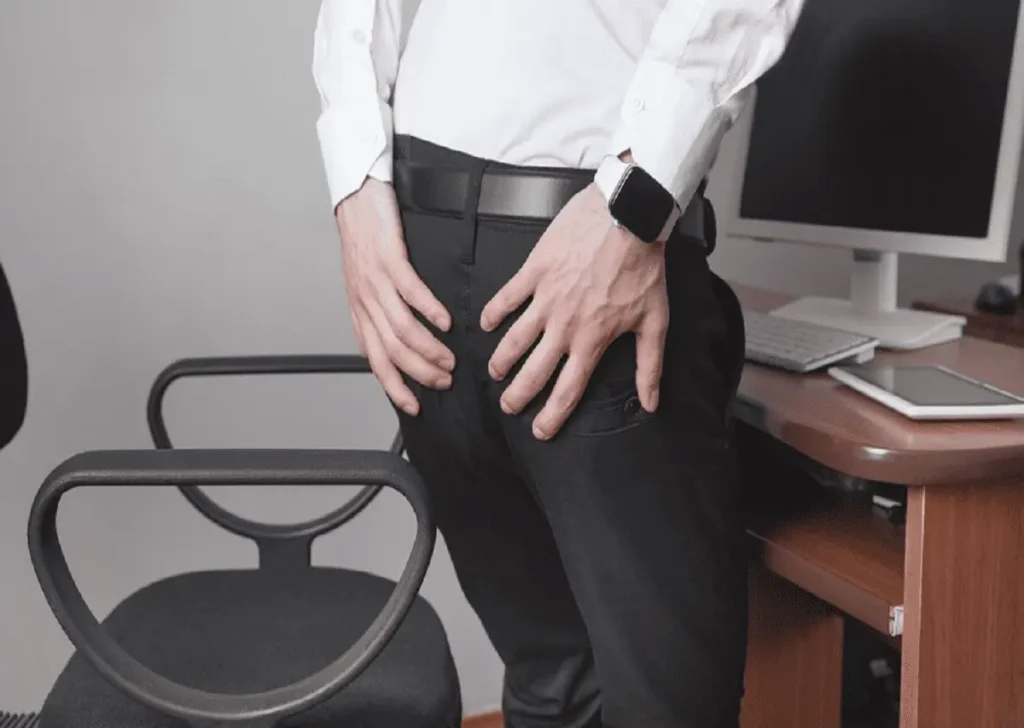
Piles, also known as hemorrhoids, are swollen veins that surround the lower rectum or anus. They may cause irritation, itching, and swelling, as well as discomfort or bleeding when bowel movements occur. Women can develop piles as a result of constipation or straining, pregnancy, long periods of sitting, or changing the bowel routines. If you’re wondering how to get rid of piles for females at home, the symptoms are often treated with a few changes to the diet and habits of daily life. However, this method may not be appropriate for all cases. In the event of persistent bleeding, extreme pain or repeated symptoms should be examined by a medical professional. The doctor at Dr. Piles Clinic helps patients identify their symptoms and recommend treatment options.
Can Piles in Women Be Treated at Home?
The milder piles can be improved with the right home care, especially when constipation or straining are causing the symptoms. Home remedies focus on improving bowel movement as well as reducing the pressure around the anus and easing irritation.
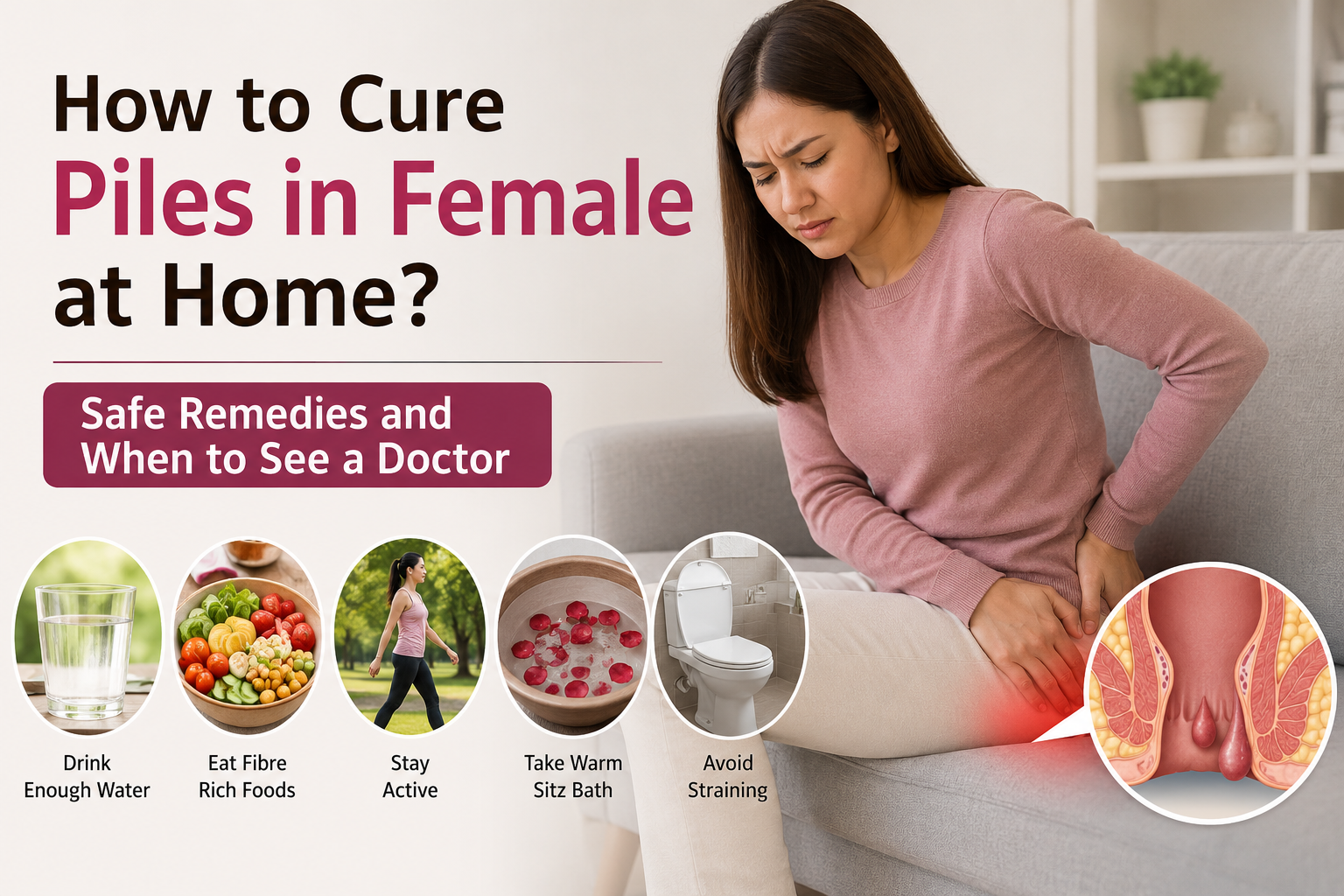
Simple solutions like eating more fibre and drinking enough fluids and relaxing in warm sitz baths while exercising and avoiding long-term toilet use could provide relief.
But they cannot be considered to be a 100% cure for every kind of hemorrhoid. External piles, internal piles, and prolapsed hemorrhoids may vary in severity and need a professional evaluation.
How to Cure Piles in Female at Home Safely?
If symptoms aren’t too severe the following steps can assist in reducing discomfort and promote healthy bowel movements.
Eat More Fibre
Dietary fibre makes stools more comfortable and easy to move. Include vegetables, fruits, oats, beans, and whole grains as well as other fibre-rich foods in your daily meals.
Increase your fibre slowly and drink plenty of fluids along with it. An abrupt rise in fibre could result in gas or bloating for certain individuals.
Drink Enough Water
A healthy intake of water can help soften stool and is especially useful when constipation contributes to piles. Include water as a regular component of your routine.
The individual’s requirements for fluids vary based on factors like the level of activity and weather conditions as well as diet and general health.
Avoid Straining
The strain of bowel movements during the day can increase the pressure on the veins surrounding the anus. This can cause hemorrhoid-related symptoms to worsen.
Avoid forcing an empty bowel. The natural urge to eliminate stool and avoid delay can help promote healthier habits of bowel.
Take a Warm Sitz Bath
A relaxing sitz bath can help soothe irritation, itching, and pain around the area of the anus. Choose water that is comfortably warm rather than hot water.
Keep in mind that a sitz bath is primarily used to relieve symptoms. It doesn’t address the primary cause of piles.
Stay Physically Active
Regular physical exercise can improve the function of your bowel and reduce constipation. Simple exercises like walking could be beneficial in the case that they’re suitable to your overall health.
If you’re prone to spending a lot of time sitting, taking a few short breaks in your daily routine could be beneficial.
What Habits Should Women Avoid During Piles?
Certain daily habits can lead to tension or irritation around the rectal region. Beware of spending too much time on the toilet, especially when taking a call or reading.
Repetitive straining must also be avoided. Incontinence can be painful and cause pain in bowel movements and can lead to further straining, resulting in the cycle, which can lead to piles.
Women who experience hemorrhoids during pregnancy or following childbirth could suffer from pelvic pressure or constipation. In these instances, the treatment or medication needed is recommended by a qualified medical expert.
When Are Home Remedies Not Enough?
Home care can help with small piles; however, it is important to not put off medical treatment when symptoms continue or become extreme.
It is recommended to seek the advice of a professional if you have:
- Rectal bleeding that is frequent or substantial
- Pain in the anal area that is increasing or severe.
- A painful or swollen lump
- Recurrent piles
- The symptoms do not improve with home treatment
- It is difficult to pass stool
- The bleeding is accompanied by unusual bowel movements
Rectal bleeding is caused by a pile that is causing it, so unresolved or persistent bleeding cannot be blamed on hemorrhoids.
Women who require a professional assessment may want to consider an appointment with a piles clinic for women in Delhi to receive the appropriate evaluation in light of the signs. Doctor. Piles Clinic can help determine if symptoms are compatible with those of piles and if additional treatment is needed.
Can Home Remedies Cure Every Type of Piles?
No. The outcome of home treatment is dependent on the type and severity of the piles.
Hemorrhoids that are small or minor may improve after constipation, straining, and a poor bowel routine are taken care of. The more persistent piles, the greater the prolapse could be, requiring medical attention.
It is therefore more sensible to think of the home remedies as supportive treatment and management of symptoms instead of believing they are able to cure each situation.
For women who are looking for more information on the care of their piles within Noida, a lady doctor to treat piles in Noida could be a good option in cases where a professional evaluation is required.
How Can Women Reduce the Risk of Piles Returning?
When symptoms improve, maintaining regular bowel movements can lower the chance of recurrence.
Try:
- Incorporate enough fibre into your diet.
- Drink adequate fluids.
- Be physically active.
- Beware of strains that are not needed.
- Avoid spending too much time using the toilet.
- It is better to address constipation rather than ignoring it.
- Make sure to take regular breaks when your schedule involves long periods of sitting.
Simple habits like these can aid in regular bowel movements and help reduce repeated pressure on the anal region.
Conclusion
Finding out how to treat pimples in women at home begins with addressing common triggers like constipation, hard stools, and straining. The consumption of foods that are high in fibre, the proper fluids, warm sitz baths, regular exercise, and better hygiene practices can ease minor symptoms. But persistent bleeding and pain, or recurring piles, or other symptoms that don’t improve should be evaluated by a professional. The doctor at Dr. Piles Clinic can help patients to understand their symptoms and treatments. If you’re looking for advice about your symptoms or about the next action, contact Dr. Piles Clinic to discuss your questions.
Frequently Asked Questions
1. Can constipation make piles worse in women?
Yes. The straining of stools and hard stool may cause pressure to the anal region and cause the existing piles to feel more uncomfortable.
2. Are warm sitz baths useful for pimples during the course of pregnancy?
Yes. A sitz bath that is warm and relaxing can soothe irritation, itching, and discomfort that can be caused by the appearance of piles during pregnancy.
3. What is the reason that piles of flies continue to return following home treatment?
They can return if constipation or straining, inadequate fibre intake, or long toileting continues even until symptoms ease.
4. Better toilet habits can help lessen the symptoms of piles?
Yes. Avoiding sitting for too long and excessive straining may lower the pressure over the veins of the anal as well as aid in healthier bowel movements.
5. Do home remedies work to treat prolapsed piles?
Home care can help ease discomfort, but any bleeding, prolapse, or pain must be evaluated by a medical expert.