

Blogs
Piles Stage 1: Early Symptoms, Causes and Treatment Guide

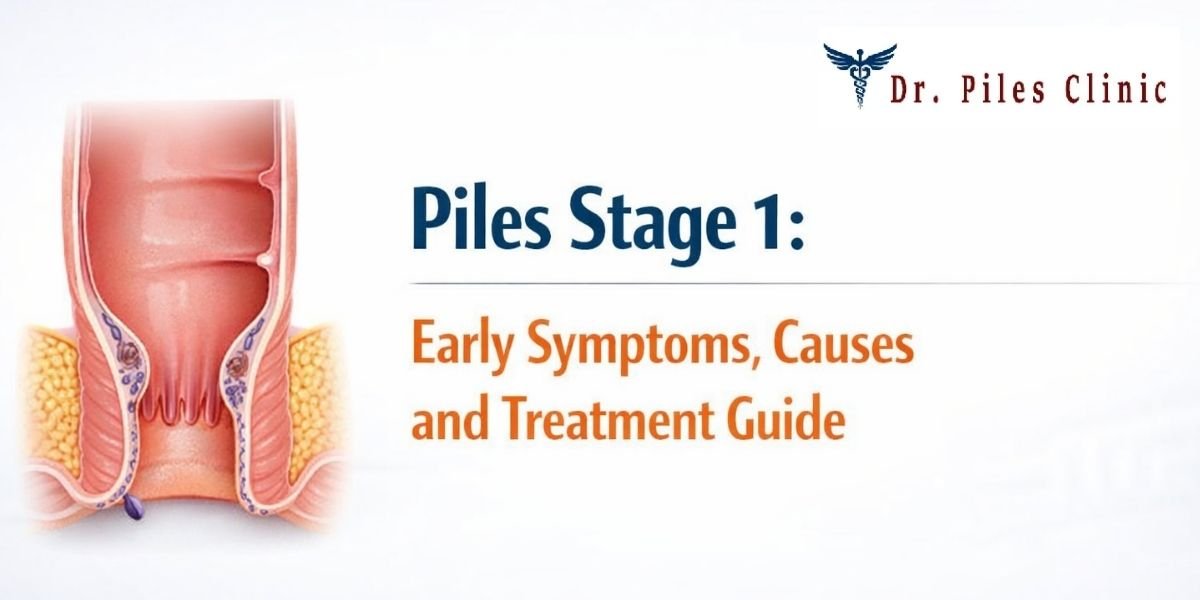
Let’s be honest, most people don’t talk about piles until they really have to. It usually starts with something small: a bit of discomfort, maybe slight itching, or a drop of blood that makes you pause for a second. If that sounds familiar, you might be dealing with piles stage 1, the earliest phase of the condition.
The good part? This stage is manageable. In many cases, you can control it without complicated treatments, if you act early and smartly.
This guide walks you through the real signs, causes, and practical treatments, without exaggeration or unnecessary fear.
What Exactly Is Piles Stage 1?
Piles (hemorrhoids) are swollen veins in the rectal area. In piles stage 1, these swollen veins stay inside the rectum. They don’t come out, which is why many people miss the signs.
At this point, the condition is mild. You might feel something is “off,” but it’s easy to ignore. That’s where most people go wrong.
If left unchecked, it can move to piles stage 2, then piles stage 3, and eventually piles stage 4, where things become far more uncomfortable and harder to treat.
Also Read: Piles Grade 1 to 4: What Stage Are You At and What Treatment Do You Need?
Early Symptoms of Piles You Should Notice
Stage 1 symptoms are subtle. They don’t disrupt your life immediately, but they do leave clues.
Here are the most common early symptoms of piles:
- Light bleeding during bowel movements (usually bright red)
- Mild itching around the anus
- Slight discomfort when sitting for too long
- Feeling like your bowel didn’t fully empty
These are typical internal hemorrhoids symptoms, and they often come and go. That’s exactly why people ignore them.
A small tip: if you notice bleeding more than once, don’t brush it off as “nothing.” Your body rarely repeats signals without a reason.
Why Do Piles Start in the First Place?
When people ask about the causes and prevention of piles, the answer often comes down to daily habits, not some rare medical condition.
Let’s look at what actually contributes to stage 1 piles.
1. Constipation and Straining
This is one of the biggest triggers. Straining puts pressure on rectal veins, causing them to swell.
2. Low-Fiber Diet
If your meals lack fibre, your stool becomes hard and difficult to pass. That increases strain.
3. Sitting for Long Hours
Desk jobs, long drives, or even extended phone use in the bathroom, these habits slow digestion.
4. Ignoring Nature’s Call
Delaying bowel movements makes stool harder and worsens pressure later.
5. Weight and Lifestyle
Excess weight and inactivity both contribute to poor bowel health.
None of these causes is surprising, but they’re easy to overlook in daily life.
Understanding the Stages of Piles (Quick Breakdown)
To put things in perspective, here’s how the stages of piles progress:
- Stage 1: Internal swelling, no visible prolapse
- Piles stage 2: Comes out during straining but goes back in on its own
- Piles stage 3: Needs manual pushing to go back inside
- Piles stage 4: Stays outside and can become painful or complicated
If you’re wondering which stage of piles is dangerous, it’s clearly stage 4. That’s where medical procedures often become necessary.
Stage 1, on the other hand, is your chance to fix things early.
How to Cure Piles in Starting Stage
Many people search for how to cure piles in starting stage, expecting a quick fix. The truth is simpler: consistency beats shortcuts.
Here’s what actually works.
Improve Your Diet
Start adding fiber gradually:
- Fruits like papaya, apple, banana
- Vegetables like spinach, carrots
- Whole grains like oats and brown rice
Fiber softens stool and reduces strain. That alone can make a big difference.
Drink Enough Water
It sounds basic, but dehydration is a hidden cause of constipation. Aim for steady intake throughout the day.
Move Your Body
You don’t need an intense workout. Even a daily walk helps your digestion stay active.
Fix Bathroom Habits
Don’t rush, but don’t sit too long either. And maybe leave your phone outside, it helps more than you think.
Keep the Area Clean
Simple hygiene reduces irritation and prevents the condition from getting worse.
Grade 1 Hemorrhoids Treatment Options
If lifestyle changes don’t fully solve the issue, you still have safe and simple treatment options.
Here’s what doctors usually suggest for grade 1 hemorrhoids treatment:
Topical Creams
These help reduce itching and swelling. They’re easy to use and often effective in early stages.
Warm Sitz Bath
Sitting in warm water for 10–15 minutes can soothe irritation and improve blood flow.
Oral Medication
In some cases, doctors prescribe medicines that strengthen blood vessels.
Natural and Ayurvedic Approach
Some people prefer Ayurvedic treatment for fissures and piles. These methods usually focus on digestion, herbal support, and long-term balance rather than quick relief.
When Should You Actually See a Doctor?
Let’s clear this up, stage 1 piles don’t always need a doctor immediately. But there are situations where you shouldn’t wait.
Seek medical advice if:
- Bleeding happens frequently
- Symptoms don’t improve after a few weeks
- Discomfort starts affecting your routine
If you’re considering piles treatment in delhi, you can check trusted options like Dr. Piles Clinic through their Google profile to understand location, reviews, and available treatments.
Can Stage 1 Turn Into Something Worse?
Yes, and it often does, mainly because people ignore it.
Without care, stage 1 can progress into:
- piles stage 2, where swelling becomes noticeable
- piles stage 3, where manual adjustment is needed
- piles stage 4, the most severe stage
So, if you’ve been wondering what is the last stage of piles, it’s stage 4, and it’s something you definitely want to avoid.
Practical Prevention Tips (That Actually Work)
You don’t need a complicated routine to prevent piles. Just stay consistent with these basics:
- Eat fiber daily
- Stay hydrated
- Avoid long sitting hours
- Go to the bathroom when your body signals
- Keep your digestion in check
Think of it this way, small habits today can save you from bigger problems later.
A Few Common Myths (Let’s Clear Them Up)
“Piles always need surgery”
Not true. Early stages like piles stage 1 rarely require anything invasive.
“Only older people get piles”
Younger people with poor lifestyle habits face it just as often.
“Spicy food is the main cause”
Spicy food can irritate, but it’s not the root cause. Lifestyle matters more.
What You Should Remember
Piles don’t usually appear overnight. Your body gives you small warning signs, and piles stage 1 is one of them. If you catch it early, you stay in control. You don’t need extreme treatments, and you don’t have to live with discomfort. Pay attention to the signals, fix your habits, and act before it progresses.If you are noticing symptoms or feel something is not normal, don’t ignore it. Get a proper consultation from a qualified specialist so you understand your condition clearly. Early action makes treatment simpler, faster, and far more effective in the long run.
