
Blogs
Can Rectal Polyps Be Treated Without Surgery? What Ayurveda Offers


What are rectal polyps? Are there any options for managing rectal polyps without surgery? Rectal polyps are a growth that occurs in the lining of the rectum, and their management is based on several factors such as the size, type, and number. The management of rectal polyps without surgery is common for those who have tried Ayurveda.
At Dr. Piles Clinic patients may find appropriate advice concerning the state of their rectum and the further treatment. However, if you are also interested in non surgical piles treatment in east Delhi note that piles and rectal polyps are two different conditions needing different kinds of examination. Finding the real reason for your discomfort is the only reliable way to choose the proper further steps.
What Are Rectal Polyps, and Why Do They Need Attention?
Rectal polyps are either small or large growths located on the inside lining of the rectum. They can be benign, but some types of polyps, for instance, adenomatous, have the potential to turn cancerous. The only way to tell the difference between a benign polyp and a cancerous one is by means of medical examination.
There are two common types: the hyperplastic polyps are typically harmless and the adenomatous polyps may be cancerous. There are other types of intestinal polyps as well and a medical examination is required to clarify the situation and what should be done next.
What Symptoms Should You Look Out For?
Rectal polyps do not always cause symptoms, but if they do, they may cause one or more of the symptoms listed below:
- Blood in the stool or bleeding from the rectum.
- Changes in bowel movements (constipation or diarrhea).
- Presence of mucus in the stool or feeling of incomplete bowel evacuation.
- Abdominal pain or change in bowel habit.
These symptoms can also be associated with piles, fissures, and various inflammations, as well as other bowel diseases. Uninterrupted bleeding cannot be ignored and must not be treated at home on one’s own without a proper examination.
Rectal Polyp Treatment Options: Can Surgery Be Avoided?
Treatment for the condition will vary depending on the symptoms that can be effectively eliminated as well as the type of formation itself. Although several procedures are available to treat rectal polyps without surgery, a number of patients will require the removal of the polyp, and surgery is not necessarily synonymous with an open procedure.
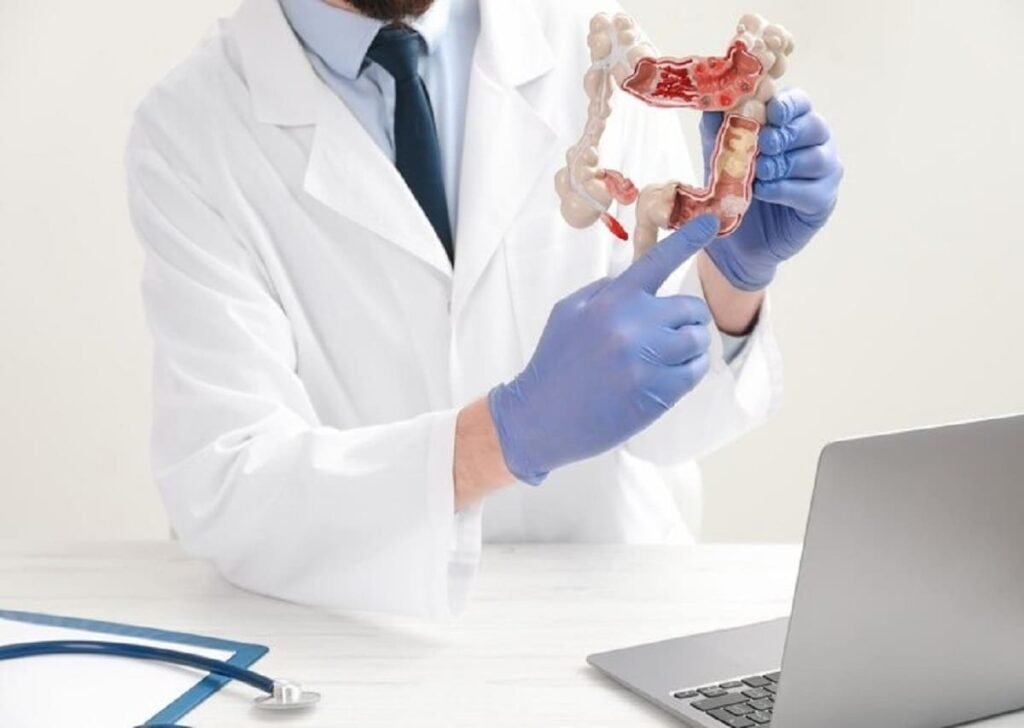
Your doctor may recommend a colonoscopy or other tests as needed to find the growth. The colonoscopy is sedated and this can make the individual more comfortable based on the procedure performed.
| Treatment approach | When it may be considered | Important consideration |
| Monitoring and follow-up | Selected cases where findings support surveillance | Requires a clinician’s recommendation and scheduled reviews |
| Endoscopic polypectomy | Many polyps that can be safely removed through an endoscope | Removed tissue may be examined for abnormal or cancerous cells |
| Minimally invasive polyp removal | Suitable polyps depending on their size, location, and shape | The technique is selected by a qualified specialist |
| Further surgical treatment | Large, complex, or suspicious growths that cannot be adequately managed endoscopically | The decision depends on pathology and specialist assessment |
Endoscopic resection has become a common technique for the removal of appropriate rectal polyps that cannot be optimally resected with conventional surgical techniques. It is still considered surgery and the removed tissue must be subject to histological examination.
If you are contemplating piles treatment in Delhi make sure that the consultation tackles on the real issue causing your discomfort. Treatment for piles is not necessarily a cure to a rectal polyp.
Rectal Polyp Evaluation: What Tests Help Identify the Right Treatment?
The Rectal Polyp Evaluation is the correct study to perform to decide if the polyp should be treated, observed, or further tested. The presence of symptoms is not enough to accurately classify a polyp.
Based on the circumstances, the doctor can prescribe a physical examination, colonoscopy, biopsy, or analysis of previous investigations’ results. During a colonoscopy, the doctor will be looking to remove the appropriate polyps, and he will be able to view the inside of the colon.
The evaluation generally considers:
- Size, quantity, location, and characteristics of the polyps.
- Age of the patient, the symptoms, family history, and any past history.
- Whether the tissue needs to be analyzed for type of polyp.
- Follow up plan after polyp removal.
This process is particularly important if the bleeding is ongoing or bowel movements have suddenly and significantly changed or if the patient has a family history of colorectal cancer. In addition, unnecessary delay may lead to a delay in diagnosis of an untreated serious illness.
What Does Ayurveda Offer for Rectal Health?
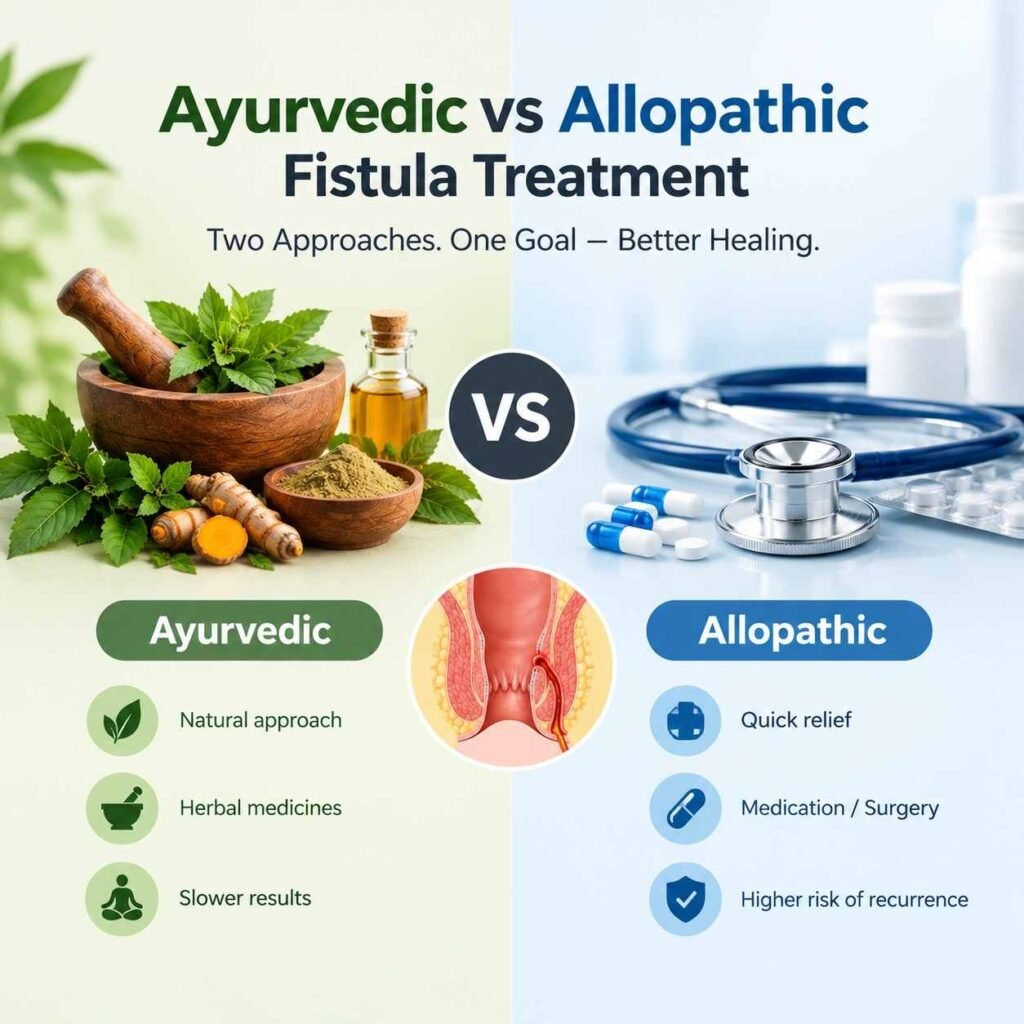
In terms of ayurveda, the emphasis lies on the wellbeing and fitness of the digestive system, nutrition, regularity, and overall wellness. People who wish to undergo non-surgical removal of rectal polyps might investigate traditional medicinal methods, including Ayurveda, but there are certain limitations associated with such treatment techniques.
Currently there is no evidence that any ayurvedic medicines, herbs, or dietary supplements are effective in curing or preventing a precancerous polyp from becoming cancer. Ayurveda shouldn’t be considered as colonoscopy, colon removal surgery, or as a means to pathology surveillance.
Ayurvedic Remedies for Rectal Health: What May Help?
Some general lifestyle measures may support regular bowel movements and digestive comfort. These include:
- Eating a balanced diet containing plenty of fiber like vegetables, fruits, whole grains, and legumes.
- Consuming enough water, unless a doctor has told you to restrict fluid intake.
- Engaging in regular exercise and not straining during bowel movements.
- Talking to a qualified health practitioner regarding constipation issues.
These therapies can be used for overall colon health care; however, they lack any scientific proof that can prevent polyps from developing. Also, herbs may interact with other medications and cause bleeding; consult your physician before using them.
If you ever decide to pay a visit to Dr. Piles Clinic, ask about the test which is carried out to differentiate between rectal polyps and piles. If any patient is considering treatment for piles without surgery in east Delhi, he/she should know that treatment of piles and rectal polyps are two different medical conditions.
Similarly, those who are getting treatment for piles in Delhi need to make sure that the bleeding is diagnosed along with the other symptoms.
When Should You Seek Medical Attention?
Don’t delay seeing a doctor in the event that you experience bleeding from your rectum, increase in the frequency of such symptoms, unexplained weight loss, or pain. If you experience severe bleeding, dark stools, fainting, or intense pain, you need urgent help.
Your symptoms can be diagnosed as caused either by hemorrhoids, polyps in the rectum, or any other condition associated with the colon by a specialist. In case you are suffering from polyp, you should take aftercare tips and perform the control.
Frequently Asked Questions
1. Can rectal polyps disappear naturally?
Some small polyps might be static, however, one should not expect an already established polyp to resolve spontaneously. Proper evaluation and management are related to its kind, size, and findings.
2. Can Ayurveda remove rectal polyps without surgery?
There is no scientific proof to prove the efficacy of Ayurveda for treating rectal polyps. Ayurveda might help maintain digestive health but it must not be substituted for any investigation or therapy.
3. Is endoscopic polyp removal considered surgery?
Endoscopic polypectomy is a surgical procedure which is done using the endoscope and does not involve any cuts outside. It is different from conventional surgery, even though it involves its own risk factors.
4. Are rectal polyps and piles the same condition?
No. Polyps of the rectum are abnormal growths of the rectal mucosa, while piles are dilated and swollen veins that occur in or near the anus and rectum.
5. Do all rectal polyps need to be removed?
This is not the case with all polyps, however. Many polyps are excised due to either the kind of polyp or the risks that it poses. Others can be observed according to doctor’s advice.
Conclusion
Is it possible to remove rectal polyps without resorting to surgical methods? In many instances, polyps can be removed using endoscopy while some require only observation or further therapy. The most appropriate way will depend on several factors including diagnosis and polyps’ features.
Even though Ayurveda might help enhance the overall health of the gastrointestinal system, it should not be stated that Ayurveda can be curative for rectal polyps. You will have the opportunity to talk about your rectal health and the different forms of treatment available. It is important to get yourself checked out, undergo the necessary tests, and find out from your doctor what else would work for you.