

Blogs
Piles Diet Chart: Foods to Eat and Avoid for Quick Relief

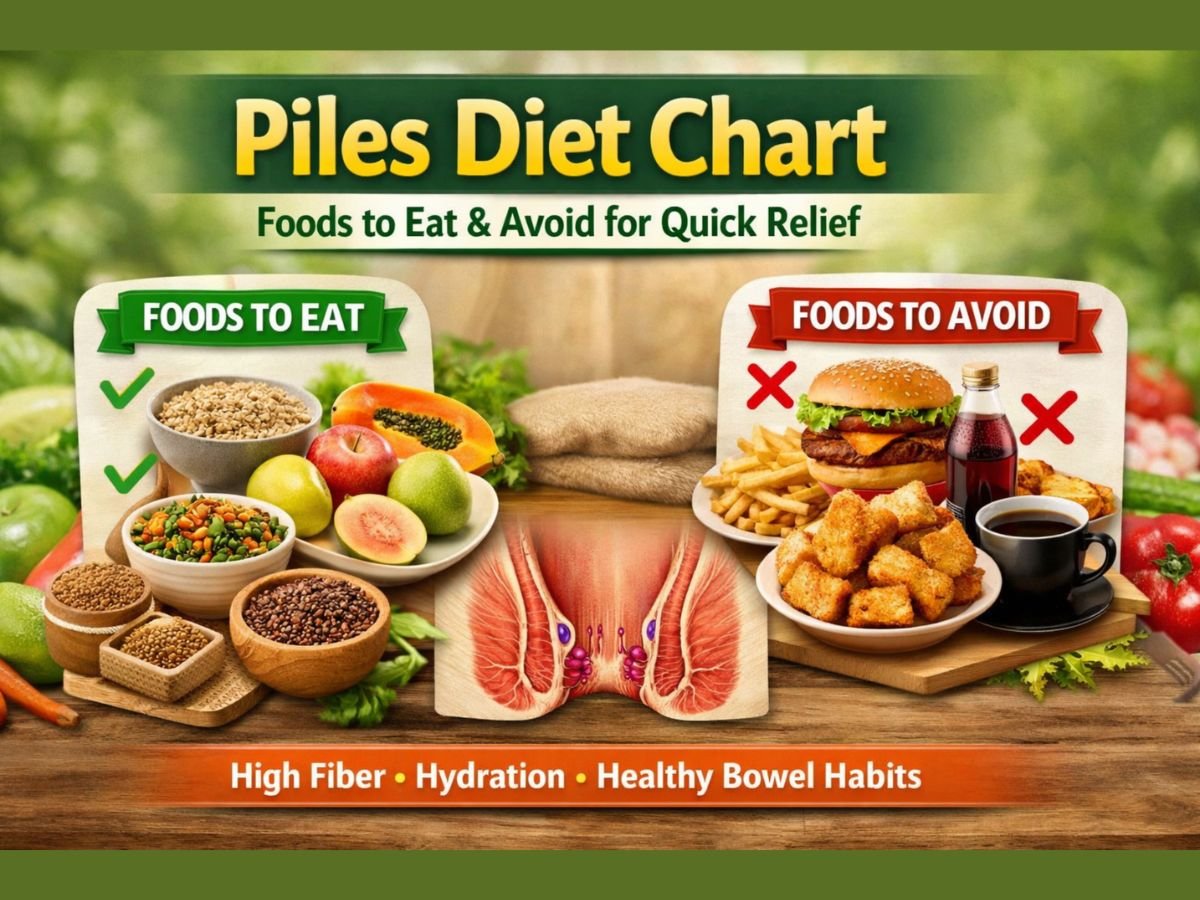
Piles, also known as hemorrhoids, are swollen veins in the rectal and anal region that cause pain, bleeding, itching, and discomfort during bowel movements. In India, this condition affects both adults and children due to poor dietary habits, a sedentary lifestyle, and chronic constipation. A well-structured Piles Diet Chart plays a crucial role in reducing symptoms and preventing recurrence.
At Dr. Piles Clinic, under the guidance of Dr. Prabhakar Singh, patients receive comprehensive care that combines diet, lifestyle, and advanced Ayurvedic therapies. This blog explains what to eat in piles, what to avoid, hydration strategies, and natural remedies suitable for men, women, and children.
Why a Piles Diet Chart Is Essential for Quick Recovery
A scientifically planned Piles Diet Chart focuses on fiber intake, hydration, and anti-inflammatory nutrients. Diet directly influences bowel movement consistency. Hard stools increase pressure in the anal canal, worsening hemorrhoids.
A proper diet chart for a patient with piles ensures:
- Smooth and painless bowel movements
- Reduced straining
- Faster healing
- Prevention of recurrence
If you are searching for Foods for piles relief, understanding fiber balance is the first step.
Foods That Help Relieve Piles Naturally
High Fiber Foods for Piles
Fiber softens stool and adds bulk, reducing strain. Include these High fiber foods for piles:
- Oats and whole wheat roti
- Brown rice and millets
- Bran cereals
- Lentils and chickpeas
- Flax seeds and psyllium husk
These options form the base of a Fiber-rich diet chart recommended for patients suffering from chronic constipation.
Fruits for Hemorrhoids
Certain fruits act as natural stool softeners. Best Fruits for hemorrhoids include:
- Papaya
- Apple (with skin)
- Guava
- Pear
- Pomegranate
These are considered Foods recommended for hemorrhoids because they improve digestion and reduce inflammation.
Vegetables for Piles
Fiber-packed vegetables are essential in any diet plan for hemorrhoids. Include:
- Spinach
- Bottle gourd (lauki)
- Pumpkin
- Carrots
- Beetroot
These Vegetables for piles support a Smooth bowel movement diet and help reduce bleeding episodes.
Anti-Inflammatory Foods for Piles
Inflammation worsens swelling Include:
- Turmeric milk
- Ginger tea
- Garlic
- Aloe vera juice (doctor-approved)
Such Anti-inflammatory foods for piles reduce irritation and promote healing.
Foods to Avoid with Piles
Ignoring diet restrictions can delay recovery. The following Foods to avoid with piles must be minimised:
- Spicy curries and excessive chilli
- Deep-fried snacks
- Processed packaged foods
- Red meat
- White bread and refined flour
- Excess tea and coffee
These are classic examples of foods that can worsen piles, as they contribute to constipation and inflammation.
Complete Piles Food Chart (Sample Meal Plan)
Below is a practical piles food chart suitable for Indian households:
| Meal Time | Recommended Food | Benefits |
| Early Morning | Warm water with lemon | Stimulates bowel movement |
| Breakfast for piles patient | Oatmeal + papaya + soaked raisins | Soft stool diet support |
| Mid-Morning | Coconut water | Hedration in Piles |
| Lunch | Brown rice + lauki sabzi + dal | High fiber foods for piles |
| Evening Snack | Soaked almonds + herbal tea | Anti-inflammatory foods for piles |
| Dinner | Vegetable khichdi + salad | Smooth bowel movement diet |
| Bedtime | Warm turmeric milk | Reduces inflammation |
This diet chart treatment piles food to eat approach ensures gradual and natural recovery.
Piles Home Remedies, Diet and Lifestyle Tips
A structured Piles home remedies diet includes:
- Drinking 8–10 glasses of water daily (Hedration in Piles is critical)
- Eating fiber at every meal
- Avoiding prolonged sitting
- Not delaying bowel urges
- Practicing light yoga
These Natural remedies for piles can significantly improve symptoms when followed consistently.
For those seeking expert guidance for piles treatment, combining dietary changes with medical supervision gives better results.
Constipation Prevention Foods for Long-Term Relief
Constipation is the root cause of hemorrhoids. Include these Constipation prevention foods:
- Psyllium husk
- Whole grains
- Beans and lentils
- Fresh fruits and vegetables
A structured Soft stool diet reduces pressure on rectal veins. Following proper Piles treatment diet tips ensures that recurrence is minimised.
Many patients ask, Is Piles Genetic? While genetics can play a minor role, lifestyle and diet are far more influential factors.
Diet Plan for Hemorrhoids in Men, Women & Children
For Men
- Higher fiber requirement
- Adequate hydration
- Regular physical activity
For Women
Women, especially during pregnancy, must focus on:
- Iron-rich vegetables
- Gentle fiber sources
- Avoiding constipation
Many women prefer non-surgical treatment for piles in women, which includes dietary correction and Ayurvedic care.
For Children
- Soft khichdi
- Fruit purees
- Avoid junk food
- Encourage water intake
In mild cases, dietary correction works alongside Anal Fissure Treatment at Home under medical supervision.
Ayurvedic Diet Chart for Piles and Advanced Care
An ayurvedic diet chart for piles emphasises:
- Warm foods
- Light digestion meals
- Herbal support like Triphala
- Avoiding excessively cold foods
At Dr. Piles Clinic, patients receive personalised piles treatment food plans aligned with an Ayurvedic approach to healing piles.
Under the leadership of Dr. Prabhakar Singh, who has decades of experience in proctology, patients benefit from:
- Panchkarma guidance
- Ksharkarma therapies
- Lifestyle counseling
For individuals searching for Piles treatment in Delhi, our centre provides holistic and advanced care.
Non-Surgical Options and Specialised Care in Delhi
If diet alone does not resolve symptoms, combining it with medical care is advisable. Dr. Piles Clinic is recognised for Non-surgical piles treatment in East Delhi using advanced Ayurvedic para-surgical techniques.
Patients looking for the Best Ayurvedic piles clinic in Delhi often choose our facility because:
- No hospital stay required
- Minimal bleeding
- Quick recovery
- Personalised diet chart for a patient with piles
A structured piles treatment diet tips plan combined with clinical expertise ensures lasting relief.
What to Eat in Piles – Quick Checklist
If you are confused about what to eat in piles, follow this checklist:
- ✔ Whole grains
- ✔ Green leafy vegetables
- ✔ Seasonal fruits
- ✔ Buttermilk
- ✔ Soaked dry fruits
Avoid heavily processed food for piles management. Proper food for piles must always promote soft stools and reduced inflammation.
A practical piles food to eat approach includes combining fiber, hydration, and balanced meals.
Final Thoughts on Piles Diet Chart for Complete Relief
A structured Piles Diet Chart is not just about food—it is about building a healthier digestive system. By including fiber-rich meals, maintaining hydration in Piles, and avoiding inflammatory foods, patients can significantly reduce discomfort.
This comprehensive Piles Diet Chart supports natural healing, prevents constipation, and complements medical care when required. Whether you follow a diet plan for hemorrhoids, a Fiber-rich diet chart, or an ayurvedic diet chart for piles, consistency is key.
At Dr. Piles Clinic, guided by Dr. Prabhakar Singh, we provide personalised care, advanced non-surgical solutions, and structured dietary guidance to ensure complete recovery. If you are looking for reliable Piles treatment in Delhi, our team is here to help.
Don’t ignore persistent symptoms. Follow a proper Piles Diet Chart, adopt healthy lifestyle habits, and consult experts for long-term relief.
Contact Dr. Piles Clinic today or visit our Google Business Profile to book your consultation and start your journey toward pain-free living.
Top 10 FAQs About Piles Diet: Foods to Eat, Avoid, and Home Remedies for Hemorrhoids
High-fiber foods like oats, whole wheat, lentils, fruits (papaya, apple), vegetables (spinach, carrot), and anti-inflammatory foods like turmeric and ginger.
Spicy foods, deep-fried snacks, processed foods, red meat, white bread, and excessive tea or coffee.
8–10 glasses of water daily to stay hydrated and soften stools.
Yes, fruits like papaya, guava, pear, apple, and pomegranate improve digestion and soften stools.
Yes. Example: warm lemon water in the morning, oatmeal with fruits for breakfast, brown rice with dal for lunch, soaked almonds for snacks, vegetable khichdi for dinner, and turmeric milk at bedtime.
Yes, children should have soft foods like khichdi, fruit purees, and plenty of water while avoiding junk food.
Genetics play a minor role; lifestyle and diet are more influential.
Avoid prolonged sitting, do light exercise or yoga, and never delay bowel urges.
Yes, warm, easy-to-digest meals with herbal support like Triphala can aid recovery.
If symptoms persist or worsen despite dietary changes, consult a doctor for non-surgical or advanced Ayurvedic treatment.

About Dr. Piles Clinic Team
The Dr. Piles Clinic Team brings together experienced medical professionals and in-depth clinical knowledge to deliver accurate, reliable content on piles, fistula, and other anorectal conditions. Every thing is carefully created with a focus on patient awareness, practical guidance, and evidence-based insights, helping readers understand their symptoms, explore effective treatment options, and make informed healthcare decisions with confidence.
View all posts by Dr. Piles Clinic Team